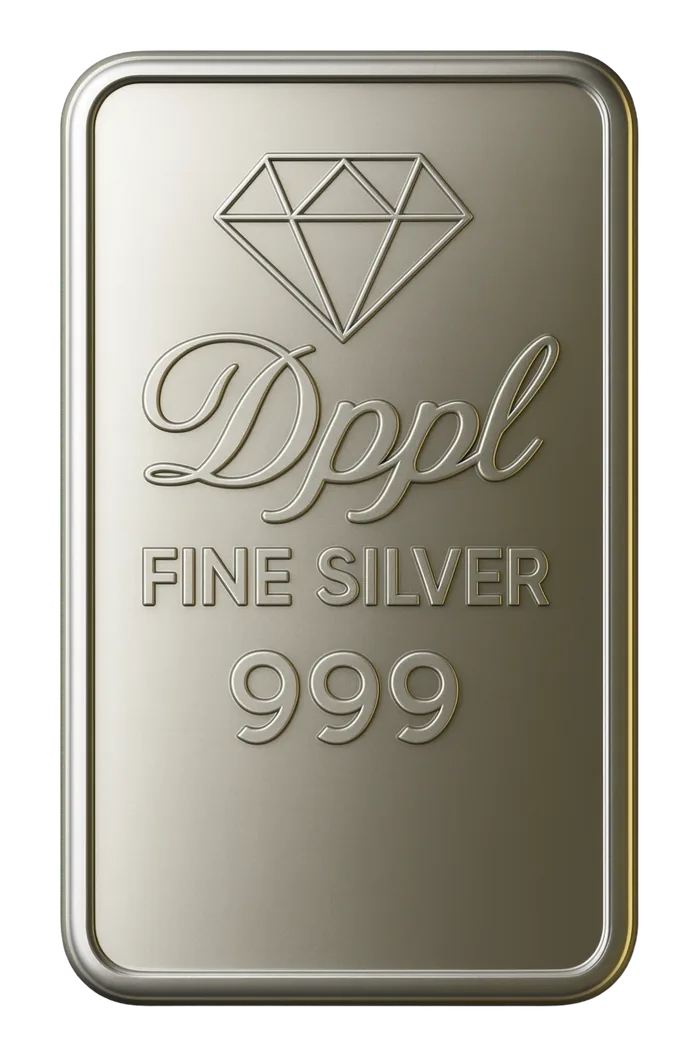
100 g Silver Bar
999 fine · sealed & stamped
The classic first holding — pocket-scale weight with the full DPPL diamond stamp. Ideal for gifting, savings, and starting a position.
BUY · 100 GSomewhere on the planet below — in the oldest bazaar of Kathmandu — fine silver is being weighed, sealed, and priced for today. Let us take you there.
DPPL publishes the daily sale and purchase rate for fine silver and supplies 999 bars and grains from the heart of Kathmandu's original street of commerce. Every piece is weighed on calibrated scales, sealed at the counter, and invoiced to the gram.
| FINE SILVER 999 | SALE | PURCHASE |
|---|---|---|
| 1 Tola (11.664 g) | — | — |
| 10 Gram | — | — |
Rates are set each morning against the FENEGOSIDA reference and confirmed at the counter. Sale = you buy from us · Purchase = we buy from you.
Every DPPL piece is 999 fine, stamped with the diamond mark, and sealed at Sasa Complex. Tap BUY to order directly on WhatsApp.
The classic first holding — pocket-scale weight with the full DPPL diamond stamp. Ideal for gifting, savings, and starting a position.
BUY · 100 GThe investor's workhorse — meaningful weight at a tighter premium per gram, without the handling bulk of a kilo.
BUY · 500 GThe lowest premium per gram in the house. Preferred by serious investors and businesses accumulating in size.
BUY · 1 KG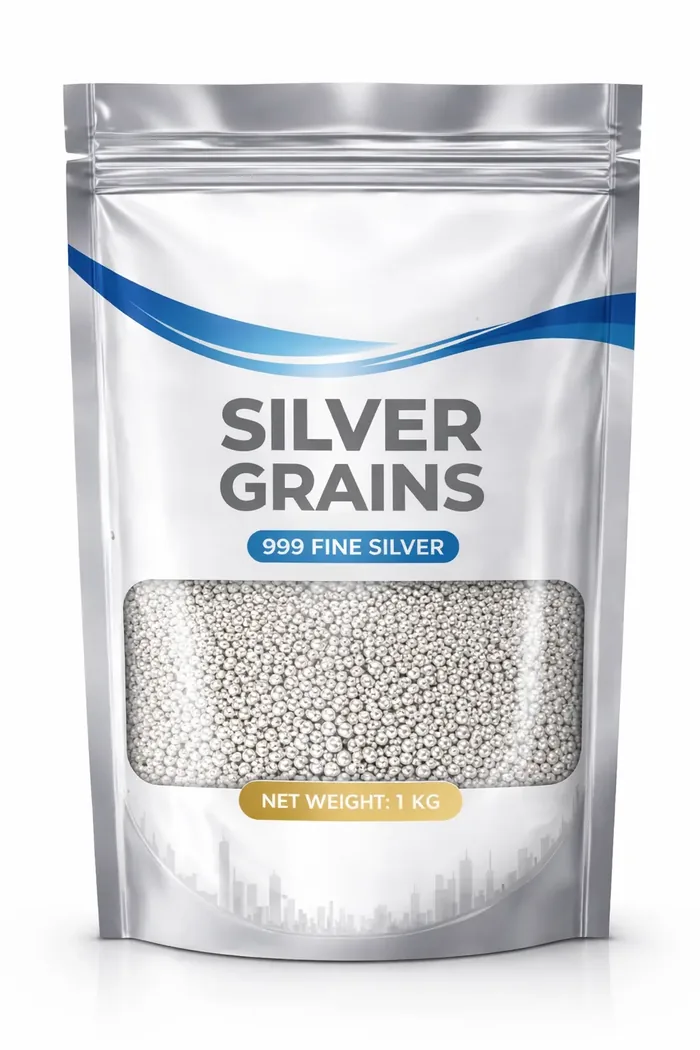
Loose fine-silver grain for jewellers, manufacturers, and ritual use — sold to the exact gram you need, no more.
BUY · GRAINSShort, honest reading from the counter — how silver is priced in Nepal, and how to buy it well.
Nepal's bullion market runs on two units at once. The tola — 11.6638 grams — is the traditional measure inherited from the old seer-and-tola system, and it is still how most families think about precious metal. The gram is the international unit, and how refiners and importers actually settle.
Each trading morning, the Federation of Nepal Gold and Silver Dealers' Associations (FENEGOSIDA) publishes a reference price that reflects the international spot price of silver, the US dollar–rupee exchange rate, import duties, and local supply. Dealers across the country, including DPPL, then quote a sale rate (what you pay to buy) and a purchase rate (what a dealer pays to buy back). The gap between the two covers refining risk, handling, and the dealer's margin — at DPPL we keep that spread deliberately narrow and print both numbers side by side, every day, on this page. When you compare dealers, always compare both rates: a shop with a cheap sale price but a punishing buyback is more expensive than it looks.
A genuine fine-silver bar tells you what it is. Look first for three stampings: the fineness (999), the weight, and the maker's mark — on DPPL bars, the diamond seal. If any of the three is missing or looks re-struck, walk away.
Second, insist on seeing the bar weighed in front of you on a calibrated scale — a 100 g bar should read 100.0, not "about a hundred." Third, ask for a full VAT invoice recording the weight, fineness, rate, and date; this is what makes the bar liquid, because any honest dealer in Nepal will buy back a documented bar at the day's purchase rate. Finally, be careful with deals that are far below the published rate. Silver is a commodity: nobody sells it meaningfully under the market unless something is wrong with the metal, the weight, or the paperwork. Paying the fair, published price with full documentation is the cheapest way to own silver in the long run.
Gold gets the headlines, but silver has quietly become the practical metal for Nepali savers. The entry price is a fraction of gold's, the cultural uses — from ritual to jewellery — are just as deep, and the industrial demand behind it keeps growing.
Silver is consumed as well as saved: solar panels, electronics, and medical uses take a growing share of world supply each year, which gives the metal an industrial floor that pure store-of-value assets lack. For a household in Kathmandu, that means a 100 g bar bought today is both a hedge against rupee inflation and a claim on real industrial demand. The sensible pattern we see from experienced customers is steady accumulation — a fixed budget each month or each Dashain bonus, converted at the day's rate regardless of headlines — rather than trying to time the market. Silver rewards patience and punishes panic; buy documented metal, store it safely, and let the decades do the work.
DPPL was established in 2080 B.S. with a simple conviction: that buying silver in Nepal should be as transparent as buying rice. From the 5th floor of Sasa Complex on New Road — the street where Kathmandu has traded for over a century — we deal in one thing only: fine silver, 999 purity, in bars of 100 g, 500 g, and 1 kg, and in loose grains for jewellers and manufacturers.
Every bar we sell carries the DPPL diamond stamp, is weighed on calibrated scales in front of the customer, and leaves the counter with a full VAT invoice. Every bar we sold, we also buy back — at the purchase rate published on this page, the same day. That is the whole business model: honest metal, honest weight, honest paper.
DPPL
5th Floor, Sasa Complex
New Road, Kathmandu 44600, Nepal
Sunday – Friday · 10:30 – 18:00 NPT
Closed Saturdays and public holidays — message ahead for large orders.
WhatsApp: +977 980-561-7932 · dppl2080@gmail.com